
From First Visit to Favorite Spot: How People Actually Use a Neighborhood Dispensary
For most people, the first visit to a neighborhood dispensary does not start with confidence.
It starts with curiosity.
Someone hears about a dispensary from a friend. Someone passes by on the way home. Someone types a quick search late at night, unsure of what to expect. There is interest, but also hesitation. Questions sit quietly in the background. What will it feel like inside? Will I know what to ask for? Will I feel out of place?
That first step through the door often marks the beginning of a much longer relationship.
This is the real story of how people use a neighborhood dispensary. Not in one visit, but over time.
The First Visit Is About Comfort, Not Products
Most first time visitors do not arrive with a shopping list.
They arrive with questions.
Some want help sleeping better. Others want something light and social. Many simply want guidance without judgment. The experience matters more than the purchase. People notice the tone immediately. They notice whether the space feels calm or rushed. They notice if someone takes the time to listen.
A neighborhood dispensary works when it removes pressure.
No one wants to feel rushed into decisions or overwhelmed by options. Instead, people appreciate when conversations feel normal, relaxed, and informative.
That first visit often ends with something simple. A small purchase. A recommendation. A sense of relief.
More importantly, it ends with trust beginning to form.

Learning Happens Over Multiple Visits
After the first visit, something shifts.
People return with more confidence.
They remember what worked and what did not. They start asking better questions. They begin to understand the difference between formats, effects, and timing. The dispensary becomes a place for learning, not guessing.
Over time, customers develop preferences. Some lean toward flower. Others prefer vapes or edibles. Some want consistency. Others enjoy trying something new each visit. The role of the dispensary evolves from introduction to guidance.
Staff become familiar faces. Conversations pick up where they left off. This ongoing exchange is what separates a neighborhood dispensary from a transactional stop.

A Dispensary Becomes Part of a Routine
Eventually, the dispensary fits naturally into daily life.
It becomes part of a weekend routine or a stop after work. Some people visit before meeting friends. Others stop in on quiet afternoons. The experience feels familiar rather than intimidating.
People begin to trust recommendations again and again. They rely on honest input rather than marketing language. This rhythm builds loyalty organically.
At this stage, the dispensary is no longer just a place to buy products.
It becomes a dependable part of the neighborhood.

Community Changes the Relationship
What truly transforms a dispensary into a favorite spot is community.
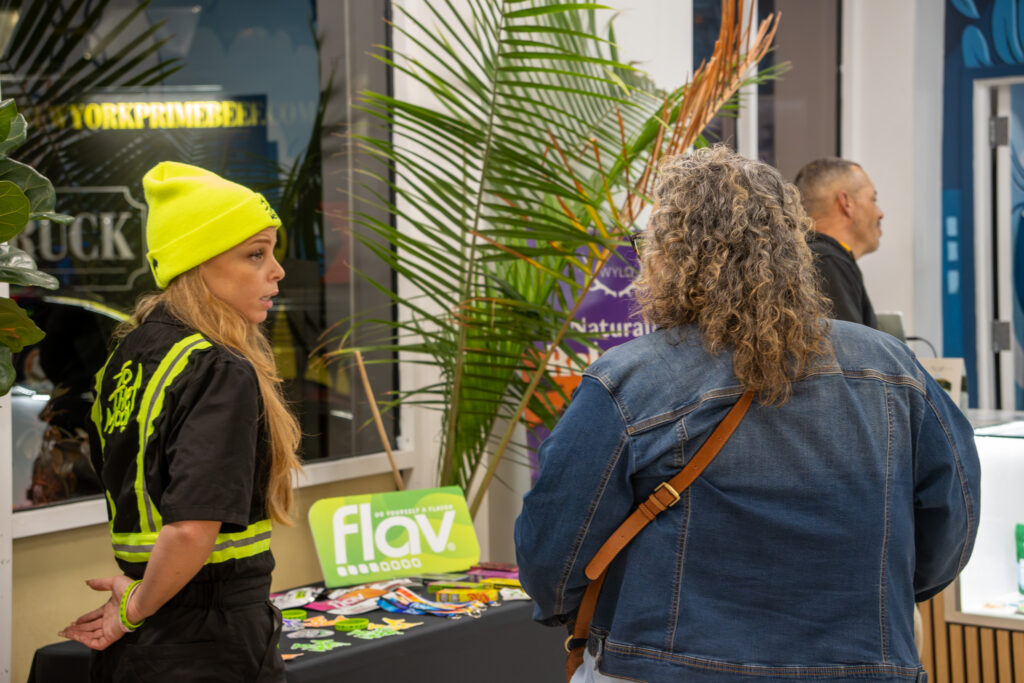
When people see events, pop ups, or collaborations happening in the space, the connection deepens. Yoga sessions, brand pop ups, educational moments, food trucks, or community initiatives shift the energy. The dispensary becomes active rather than static.
People linger longer. They talk to each other. They ask questions they would not normally ask. These moments turn casual visitors into regulars.
Community experiences create memory, and memory builds loyalty.
Familiar Faces Build Real Trust
Trust does not come from signage or menus.
It comes from people.
When staff remember names, preferences, or past conversations, customers feel seen. This familiarity makes it easier to ask questions honestly. It also makes people more open to learning and exploring responsibly.
Over time, the dispensary feels less like a store and more like a shared space. Conversations feel genuine. Advice feels thoughtful rather than transactional.
That sense of care is what people remember most.

Education Without Pressure Matters
A strong neighborhood dispensary educates without pushing.
People want information, not persuasion. They want to understand what they are choosing and why it fits their needs. Clear explanations help people make confident decisions.
This approach builds long term relationships rather than one time sales. Customers who feel informed tend to return more often and recommend the space to others.
Education builds empowerment. Empowerment builds trust.

The Shift From Visitor to Regular
At some point, people stop thinking about whether to visit.
They just go.
That is when a dispensary becomes a favorite spot. It feels familiar. It feels reliable. It feels aligned with personal routines and values. People recommend it casually, without effort.
The dispensary earns its place in the neighborhood by showing up consistently, listening carefully, and growing alongside the community it serves.
Why Neighborhood Dispensaries Matter
Neighborhood dispensaries do more than provide access.
They create stability, education, and connection.
They serve people at different stages, from first time visitors to long time regulars. They reflect the pace, personality, and values of the area around them. When done right, they become places where people feel comfortable returning again and again.
That journey from first visit to favorite spot does not happen overnight.
It happens through care, conversation, and community.
And that is how people actually use a neighborhood dispensary.